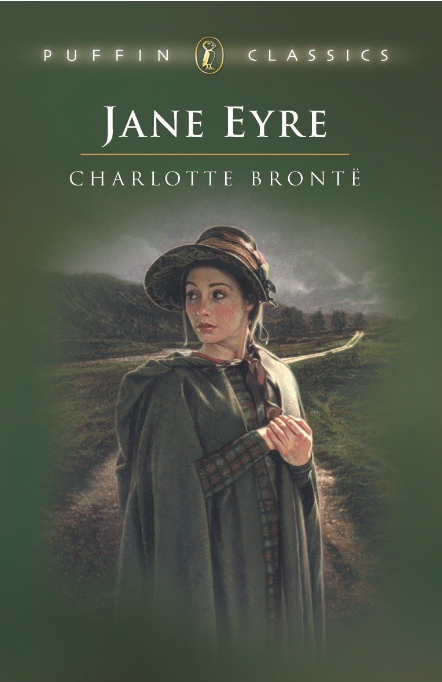
Jane Eyre, Charlotte Brontë
Theme: travelling, territory and borders
I. FIRST THINGS FIRST: Brief presentation of the novel and its writer
AUTHOR:
Charlotte Brontë (born April 21, 1816, Thornton, Yorkshire, England - died March 31, 1855, Haworth, Yorkshire)
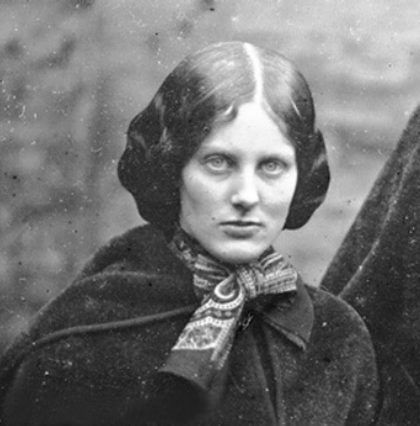
- Moved to the Yorkshire moors with her parents and five siblings in 1820.
- 1824: Charlotte and Emily, together with their elder sisters before their deaths, attended Clergy Daughters’ School at Cowan Bridge, near Kirkby Lonsdale, Lancashire. The fees were low, the food unattractive, and the discipline harsh.
- 1842: Charlotte and Emily went to Brussels as pupils to improve their qualifications in French and acquire some German.
- 1847: Jane Eyre: An autobiography was published.
- 1848-1849: Her brother Branwell died in September, Emily in December and Anne in May.
- 1854: She married her fourth suitor, an Irishman named Arthur Bell Nicholls in June in Haworth.
NOVEL:
- Actually, her second novel. The first, entitled the Professor was declined in 1846 and published posthumously in 1857.
- The novel is about the eponymous narrator/character’s journey from the Gateshead’s orphan to the Lowood/Thornfield governess then wife.
GENRE:
- Gothic
- Bildungsroman
- Romance
II. IN A FEW WORDS: Unmissable characteristics
Autobiographical elements:
- Author really had a long-lasting friendship with a lady called Helen.
- Different languages spoken by Jane Eyre (that testify to her journeys).
- Lowood (in the novel), Cowan Bridge (in real life)
Shifts and Impacts:
Every new place allows Jane to challenge her physical and moral borders. Narrative voice directly addresses the reader who becomes a witness of this evolution.
Onomastics:
Name of the different places is very meaningful.
Gothic dimension: Supernatural elements
Fire and the mad woman in the attic
Cinderella theme (Samuel Richardson’s Pamela or virtue rewarded)
III. WAYS AND MEANS: Analysis of interesting quotes
“I am glad you are no relation of mine: I will never call you aunt again as long as I live. I will never come to see you when I am grown up; and if anyone asks me how I liked you, and how you treated me, I will say the very thought of you makes me sick, and that you treated me with miserable cruelty.” (Chapter 4)
“My world had for some years been Lowood: my experience had been of its rules and systems; now I remembered that the real world was wide, and that a varied field of hopes and fears, of sensations and excitements, awaited those who had courage to go forth into its expanse, to seek real knowledge of life amidst its perils.” (Chapter 10)
“I am no bird; and no net ensnares me; I am a free human being with an independent will, which I now exert to leave you.” (Chapter 23)
“In the deep shade, at the farther end of the room, a figure ran backwards and forwards. What it was, whether beast or human being, one could not, at first sight tell: it groveled, seemingly on all fours: it snatched and growled like some strange wild animal: but it was covered with clothing and a quantity of dark, grizzled hair wild as a mane, hid its head and face.” (Chapter 26)
“ There was a reviving pleasure in this intercourse, of a kind now tasted by me for the first time — the pleasure arising from perfect congeniality of tastes, sentiments, and principles.” (Chapter 30)
“ Reader I married him [... ] I have now been married ten years. I know what it is to live entirely for and with what I love best on earth. I hold myself supremely blest — blest beyond what language can express; because I am my husband's life as fully is he is mine. No woman was ever nearer to her mate than I am: ever more absolutely bone of his bone and flesh of his flesh.” (Chapter 38)
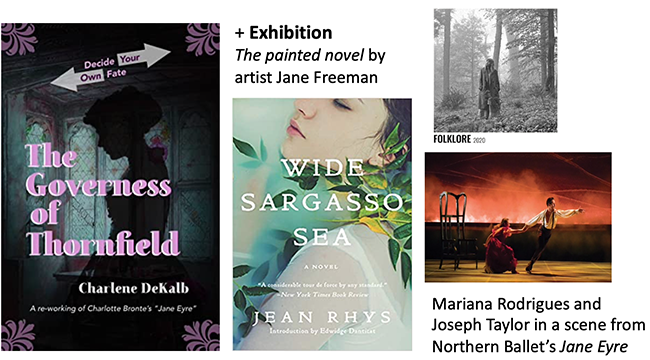
IV. IT’S A MATCH: Echoes in other artistic works